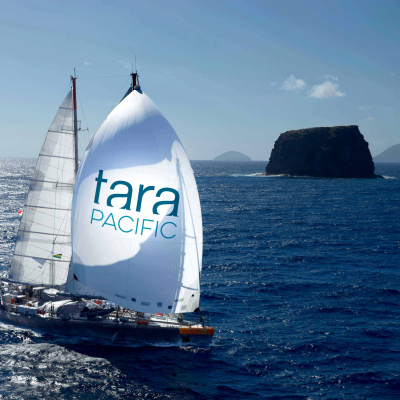
After two and a half years navigating the Pacific, where over 40% of our planet's coral reefs are found, the schooner Tara returned to Lorient, its home port in Brittany, on October 27. Led by the…
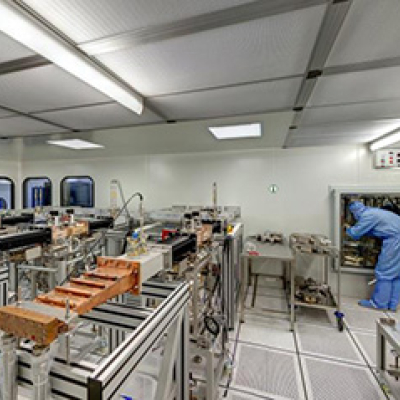
The faster, more powerful European XFEL free-electron laserA free-electron laser (FEL) generates photons using electrons that are not bound to atoms. It emits intense, coherent light across a wide…
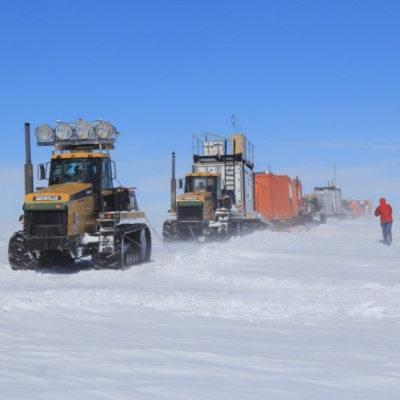
From 7 December 2019 to 25 January 2020, a team of scientists from France (CNRS and Université Grenoble Alpes) and Italy (Consiglio Nazionale delle Ricerche, Istituto Nazionale Geofisica e…
Full steam ahead toward the 26th UN Climate Change Conference of the Parties (COP26)!
On October 25, Ifremer, the CNRS and the IRD, with support from the Ocean & Climate Platform and ESA…
The micro-alga Symbiodinium, the main source of energy for the construction of coral reefs, which are home to more than a third of marine biodiversity, is found outside reefs in the world's main…
Surprising images from the Rosetta spacecraft show the presence of dune-like patterns on the surface of comet Chury. Researchers at the Laboratoire de Physique et Mécanique des Milieux Hétérogènes …
Following the CERN's publication of the feasibility study for its Future Circular Collider (FCC) project, associations and scientific communities are now asking questions about the environmental…
It is in laboratories, where basic research is carried out, that the spark of innovation begins. These discoveries are the source of major innovations and are made in all fields from molecular…